


 14497
 1
 2
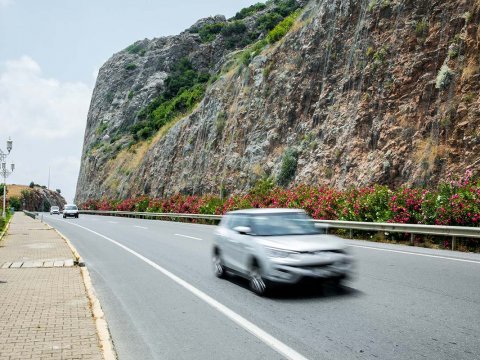
Recently, more and more people have been considering immigration to Turkey to reside permanently. This country is gaining popularity among expats worldwide due to its high level of comfort, favourable climate, safety, moderate taxes and affordable real estate, which is often less expensive compared to major cities in Europe and the US.
Before deciding to move to Turkey, it's important to consider key issues such as visa processing, choosing a place to live and adapting to a different cultural environment. It's especially crucial to think about the details of daily life that are meaningful to you. Our article provides useful tips on Turkey for anyone, whether you're a student, an entrepreneur, a young professional, a parent needing to provide for your children's education or a retiree. We discuss "Is it expensive to live in Turkey", examine the key advantages and disadvantages of moving for expats and determine what level of income is comfortable. If you have already decided to move to Turkey, we have covered choosing a city and the first steps after relocating in a separate article.
Contents:
- How to stay in Turkey
- Life in Turkey: An insider's view
- Turkey immigration: Pros and cons
- How pensioners live in Turkey
- Relocating to Turkey for permanent residence
- Grounds for a residence permit in 2026: a table
- Accommodation in Turkey
- Is it good to live in Turkey?
- Who relocation may not suit
- Frequently asked questions
- Help to buy a flat in Turkey
How to stay in Turkey
There are the following categories of residence permits: Short-term, long-term, family, student and humanitarian. A popular option for obtaining a residence permit is a long-term lease or purchase of property in Turkey. Bear in mind that the apartment for any residence permit, whether based on a lease or on ownership, must be in a neighbourhood open to residence permits for foreigners. In Alanya, according to data from June 2026, Mahmutlar, Kestel, Avsallar and Kargicak are open, but the status is checked for the specific address.
Life in Turkey: An insider's view
Local beaches are popular holiday resorts that receive millions of tourists every year, making the native population friendly to foreigners. Additionally, there are large expat communities in various parts of the country that support recent relocations. Together, this ensures a quick and comfortable adaptation.
The country is fairly safe, with most crimes being related to petty fraud. The level of education and healthcare is high, with many international schools operating in the country. Local clinics are on par with European ones in terms of services and equipment.
If you're planning to find employment in the country, it's important to ensure in advance that you have an official contract with a local employer. If the interview took place remotely, ask the future employer to send you the contract by email, translate it into your language and study it thoroughly.
The average apartment rent in Istanbul is about TL 45,385 (USD 923) per month (all apartments, Emlakjet, September 2026). Prices may be somewhat lower in less populated regions. For example, in Alanya a 1+1 apartment rents long-term for TL 15,000–25,000 (about USD 305–508).
Turkey immigration: Pros and cons
Some of the significant benefits of relocation include the following:
- Developed economy: The exchange rate of the Turkish lira against the dollar cannot be called stable: over the year from October 2025 to October 2026, the lira lost about 18% (from 41.62 to 49.18 per dollar). In 2025, Turkey's GDP reached USD 1.596 trillion, and in the first half of 2026 it grew 2.5% year-on-year;
- Affordable housing: Apartments in Turkey are available at reasonable prices. For example, a 50 m² 1+1 apartment at the average price per square metre in Alanya costs about USD 60,000 (Endeksa, July 2026), which is much cheaper than in most European countries. There are few studios in new buildings: their share is limited to 20% of the apartments in a building;
- Climate and nature: The Republic attracts visitors with its wonderful climate, beautiful beaches and diverse natural landscapes, making the lives of sea and sun lovers especially pleasant;
- Favourable tax policy: The Turkish tax system is among the 10 most favourable in the world, as per the Tax Foundation think tank. It has a progressive taxation scale ranging from 15 to 40%. The higher the income, the higher the tax rate. Corporate tax is 25%, which is higher than in the USA (21%);
- High-level healthcare: Local healthcare is considered one of the best in the world. Citizens and residents can take advantage of state insurance, which covers most medical services. A foreigner can join the state SGK system after a year of residence with a residence permit; the contribution in 2026 is TL 7,927.20 a month;
- Business opportunities: Turkey creates comfortable conditions for business development, including low tax rates and minimal bureaucratic barriers. The investment programme allows for citizenship if a certain amount of money is invested in the country's economy. For example, from USD 400,000 in property or from USD 500,000 in a company's fixed assets.
Here are the disadvantages of moving to Turkey for permanent residence:
- Language barrier: Although many Turks speak English, it's important to speak Turkish for full integration and a successful job search;
- Lack of central heating: In resort towns, it can sometimes be wet and windy in the cold season and night temperatures can drop to +10 degrees Celsius. Air conditioners are often used to heat the premises, which leads to additional expenses on utility bills;
- Low-driving culture: Traffic rules are often violated, traffic on the roads is chaotic and some drivers ignore traffic lights and do not let pedestrians pass. You need to get used to this or switch to public transport;
- Heat in some parts of the country: However, the swimming season lasts all year round and there are many beaches in the surrounding area, which is a big benefit for sun and sea lovers;
- Paid education: Education in a private school will cost an average of TL 50,000 (about USD 1,017) per year. However, children will study in one of the internationally recognised programmes and learn at least three foreign languages. This is a 2025 figure: prices have risen with inflation since then (29.73% in September 2026), and the cost varies greatly by city and programme, so it is best to check it with the school itself;
- High inflation: prices in lira are rising quickly, so it is best to calculate your relocation budget in your own currency and review it at least once a quarter.
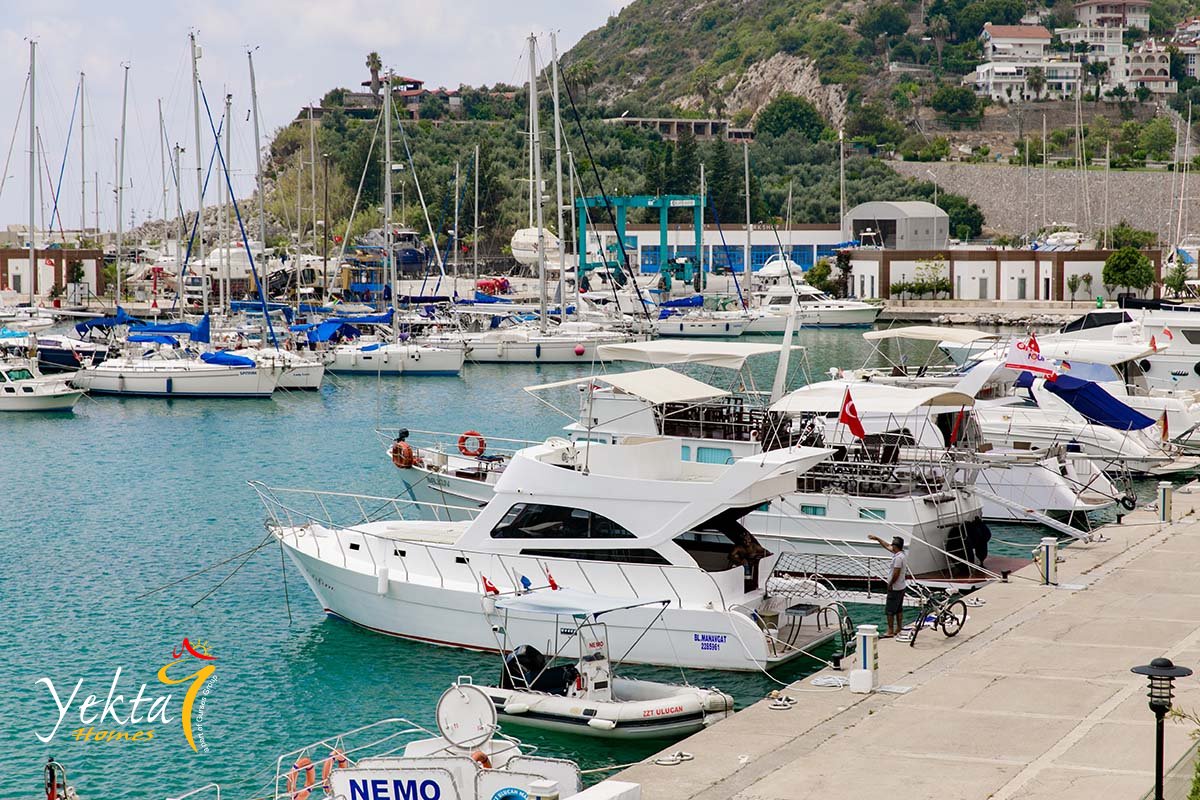

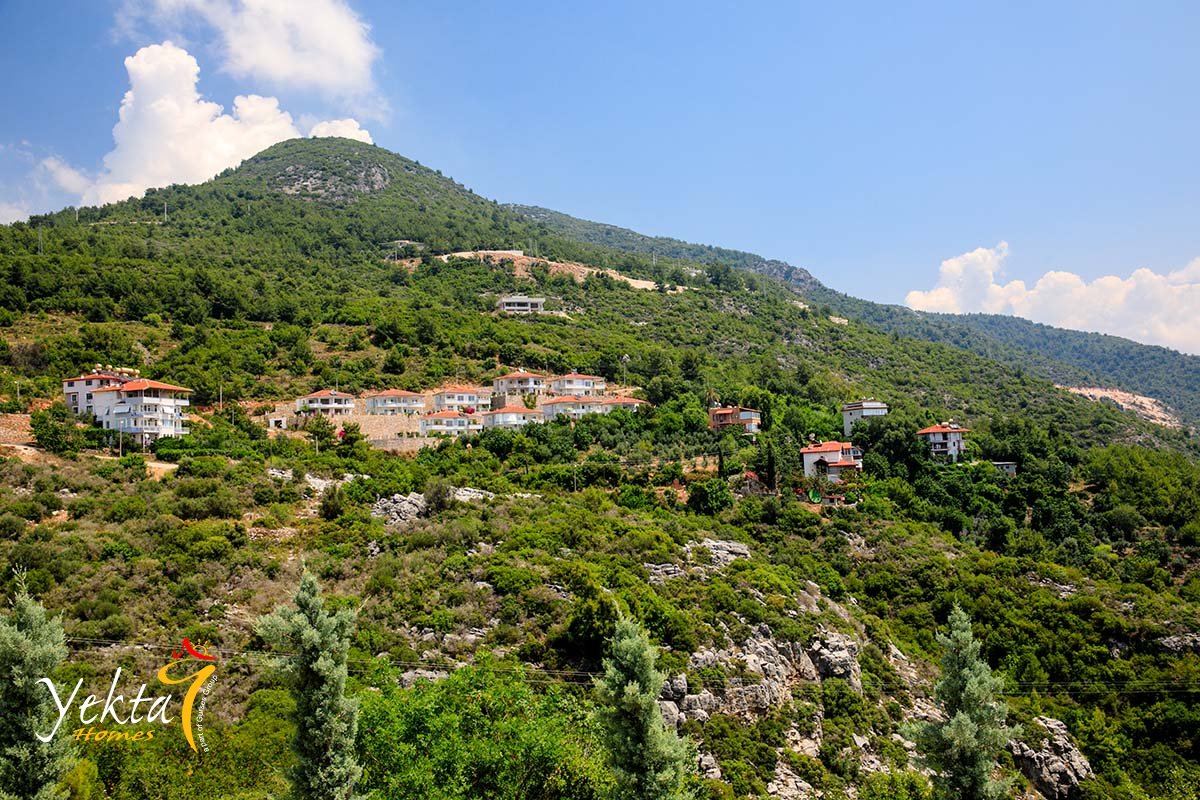
How pensioners live in Turkey
How to live in Turkey while retired? Turkey is a wonderful country for seniors. Thanks to its safe environment, excellent infrastructure and high-quality healthcare, it attracts many retirees. However, it's important to remember that the government does not pay pensions to expats; you can only rely on your income. So, how can I move to Turkey?
To obtain a residence permit, you'll need to buy a home worth USD 200,000 or more. The apartment must be registered as a home (konut) and be in a neighbourhood open to residence permits. If you purchase an apartment worth USD 400,000 or more, you'll be eligible to claim Turkish citizenship. Such an apartment cannot be sold for 3 years. A more budget-friendly option is to conclude a lease agreement for 12 months. Such a document will allow you to stay in the country for one year. In practice, a first tourist residence permit based on a lease is not approved for everyone today, and it is harder to renew than a permit based on ownership. A plus for retirees: when applying for a short-term residence permit after the age of 65, health insurance is not mandatory.
Relocating to Turkey for permanent residence
To move to permanent residence, you must first obtain a residence permit. This can be done on several grounds:
- Working in one of the local companies: This will require an invitation from the employer. A residence permit is issued for one year and can be extended by renewing the employment contract. More precisely, instead of a residence permit, the employee receives a work permit, which also gives the right to live in Turkey;
- International students enrolled in Turkish educational institutions can apply for a student residence permit for the duration of their studies;
- Freelancers with a proven income of at least USD 3,000 per month can obtain a residence permit for one year with the possibility of extension. This refers to the digital nomad programme that has been in place since 2024. It is not open to citizens of every country, so it is best to check the income, age and citizenship requirements in advance on the migration authority's website or at a consulate;
- Running a business: a residence permit for doing business is issued on the basis of your own company or business ties, with no minimum amount. USD 500,000 is the threshold for citizenship through investment in a company's fixed assets;
- Marriage to a Turkish citizen: This method allows you to obtain a residence permit for family reunification;
- Acquisition of real estate: Investments in housing from USD 200,000 allow you to apply for a residence permit.
Permanent residence in the Turkish sense is an indefinite residence permit (uzun dönem ikamet): it can be obtained after 8 years of continuous residence in the country. You can apply for citizenship through the general procedure after 5 years of residence with a residence permit.
Grounds for a residence permit in 2026: a table
| Ground | Main condition | Validity |
|---|---|---|
| Buying a home | A TAPU price of USD 200,000 or more, designated as a home on the TAPU, in an open neighbourhood | Up to 2 years, renewable |
| Lease (tourist residence permit) | A lease agreement, an open neighbourhood; a first permit is not approved for everyone | Usually up to 1 year |
| Work | A work permit from the employer | For the term of the permit |
| Study | Enrolment at a Turkish university | For the duration of studies |
| Family | Marriage to a Turkish citizen or a foreigner with a residence permit | Up to 3 years |
| Indefinite residence permit | 8 years of continuous residence | Indefinite |
The residence permit card costs TL 964 in 2026, and a decision on the application is made within 90 days. You must update your address within 20 working days after moving.
Accommodation in Turkey
Citizens of other countries often relocate to Turkey. Many emigrants usually mention that coming to live in Turkey was a great idea. They say that they quickly get used to the local climate and feel great in their new environment. One practical point: open an account at a Turkish bank soon after relocating, as some banks reject payments from countries under international sanctions.
Is it good to live in Turkey?
Is it worth moving to Turkey with your family? Life for expatriates can be quite comfortable. This country is great for families with children, offering plenty of opportunities for work, education and spending time together. There are many kindergartens and international schools with quality programmes. You'll also find numerous green parks for walking and picnics, safe beaches and entertainment complexes such as Aqua Fantasy, Land of Legends and Vialand.
Modern housing estates in Istanbul are often equipped with children's swimming pools and playgrounds, as well as security and video surveillance systems to ensure a high level of safety. Some projects include private on-site kindergartens and qualified nanny services. Therefore, if you're considering moving to Turkey in 2026 with your family, the answer is unequivocal: this is a great solution.
"Before relocating, we advise living in your chosen area for at least a couple of weeks out of season, for example in November or February. That way you can see how the area lives in winter, and you can also check in advance whether the neighbourhood is open to residence permits," says a sales manager at Yekta Homes.
Who relocation may not suit
- Those counting on income in lira without experience of working in Turkey. Wages rise more slowly than prices, and work requires a permit.
- Those planning to live on a tourist residence permit for many years. It is becoming ever harder to renew; ownership, work or family are more reliable grounds.
- Those who choose an apartment without checking the neighbourhood. In a neighbourhood closed to foreigners, no residence permit will be granted at that address.
Each of these situations is visible in advance, so it is best to choose the ground for your residence permit and the area before relocating.
Frequently asked questions
How do you move to Turkey permanently in 2026?
First obtain a residence permit on one of the grounds (buying a home worth USD 200,000 or more, work, study, family), and after 8 years of continuous residence apply for an indefinite residence permit.
Can you get a residence permit for renting an apartment?
A tourist residence permit based on a lease is possible, but a first one is not approved for everyone and is usually issued for up to a year.
How much does it cost to move to Turkey?
A benchmark is the TÜRK-İŞ trade union calculation: in September 2026, the cost of living for one worker was TL 48,885 (about USD 994) a month; renting a 1+1 in Alanya costs TL 15,000–25,000.
Can you get Turkish citizenship?
Yes: by buying property worth USD 400,000 or more (it cannot be sold for 3 years), or through the general procedure after 5 years of residence with a residence permit.
Help to buy a flat in Turkey
Yekta Homes will be your reliable assistant in your search for a flat or a villa in Turkey. It offers a wide range of options, allowing you to sort the results by price, size, location and other criteria to find the perfect property. Discover our tips for Turkey and start your property search now. As of October 2026, prices in Yekta Homes complexes start from EUR 103,000 in those under construction and from EUR 139,000 in completed ones; apartments with a TAPU price above USD 200,000 qualify for a residence permit based on ownership.


