


 26242
 2
 1

Buying a home in Turkey with a mortgage is a common practice among foreign buyers. This is why the question of how to finance a property abroad remains relevant. There is no specific ban on mortgages for foreigners in Turkey: each bank makes its own decision according to its own rules. However, banks check the income and source of funds of borrowers who live and earn abroad more thoroughly, so the path to a loan is longer for them than for a borrower with income in Turkey.
Contents:
- Mortgages for property on the Turkish Riviera: benefits and specifics
- Mortgages for property in Turkey: documents
- Buying property in Turkey with a mortgage in 2026
- What matters for buyers living abroad in 2026
- How much a mortgage costs: an example
- Who a mortgage in Turkey is not right for
- Frequently asked questions
Mortgages for property on the Turkish Riviera: benefits and specifics
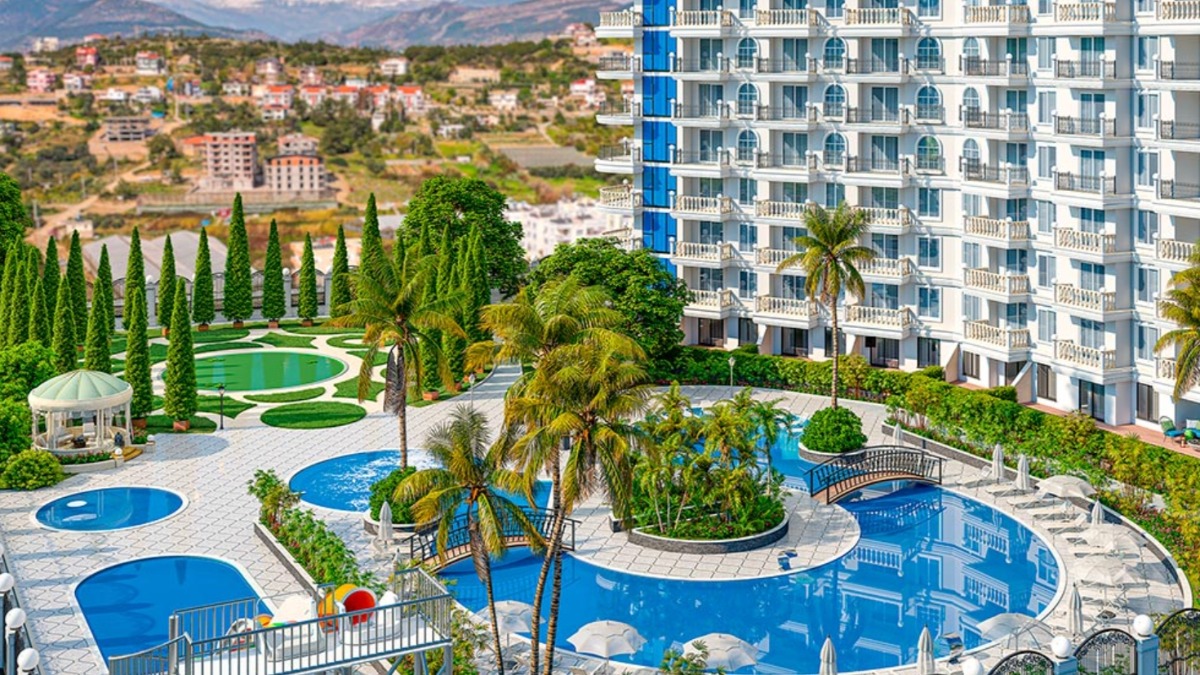
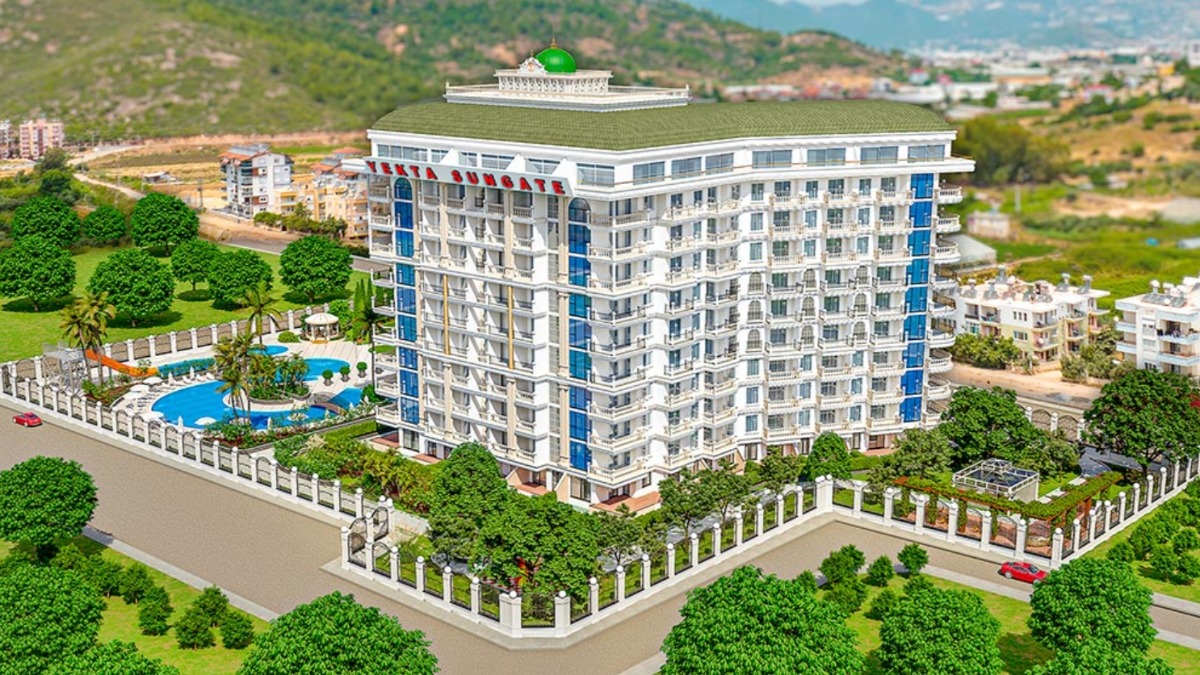
You can buy your own apartment on the Mediterranean coast from €53,000 (this is what an apartment of about 50 m² costs at the average price per square meter in Alanya, according to Endeksa for July 2026; in Yekta Homes complexes, prices start at €103,000). For some buyers, however, this amount seems significant. This is why a mortgage on property by the sea in Turkey is the only affordable way for many foreign buyers to purchase property abroad. There is also a second option, a developer installment plan: Yekta Homes offers one for 24 and 36 months on all projects, without involving a bank.
The advantages of mortgage lending for foreigners in Turkey are simple borrower requirements, affordable property prices and reasonable down payments.
Mortgage interest rates range from 2.87% to 3.24% a month (data for October 2, 2026, for a TRY 1 million loan over 120 months), or about 34–39% a year: loans are issued in lira while the Central Bank of Turkey policy rate is 37%. We explain what mortgage terms in Turkey banks offer foreigners and how the application works step by step in a separate article. Experts do not recommend taking out a mortgage on a home bought as an investment, since the rental income will be lower than the cost of the loan. Buying a home for yourself, on the other hand, is a sound decision.
Every year, the government and banks try to simplify the home-buying process and make mortgage terms even more favorable for foreigners. Since January 2026, for example, banks have been able to lend for homes worth up to TRY 20 million.
Mortgages for property in Turkey: documents
To get a mortgage abroad, a foreign buyer must submit an application and a set of documents to the bank (translated into Turkish in advance and certified by a notary):
- passport;
- documents confirming income (both official and additional, such as income from renting out property or from teaching);
- in some cases, the Turkish bank requests information from banks in your home country: your credit history, the absence of loan arrears and the movement of funds on your personal accounts;
- documents confirming ownership of other property or valuable assets, such as a car or a plot of land, will count in your favor;
- documents showing the source of the funds for the down payment: banks check these especially carefully when the money comes from abroad;
- a valuation report on the apartment from a licensed valuation company: the bank uses it to determine the loan amount.
Income certificates and bank statements from your home country are certified with an apostille if your country is a party to the Hague Convention, as Turkey is; otherwise, consular legalization is required. You will also need a tax number (vergi numarası in Turkey) and an account number at any local bank.
Buying property in Turkey with a mortgage in 2026
If you want an apartment, house or penthouse in Turkey, you can buy it with a mortgage in 2026 on the following terms:
- the loan is issued at 2.87–3.24% a month;
- the loan term in banks' offers is usually up to 120 months;
- the down payment is at least 50% of the apartment's price. If the borrower, their spouse or minor children already own a home in Turkey, the permitted loan-to-value ratio is reduced by 75%.
You can choose a property abroad through listings or by searching online, but it is safer and more cost-effective to turn to a professional developer, such as Yekta Homes.
What matters for buyers living abroad in 2026
Beyond the bank's standard requirements, a buyer who lives outside Turkey has four questions to settle before choosing an apartment:
1. A Turkish bank account. A non-resident can open one with a passport and tax number, but conditions vary from bank to bank: some ask for a higher minimum balance or a detailed explanation of the source of funds.
2. Transferring money from abroad. Turkish banks run compliance checks on incoming international payments, especially large ones. Agree on the transfer route with the bank in advance and use only official channels: informal intermediaries risk having the funds blocked.
3. Paying for things locally. Day-to-day costs are easiest to cover from a Turkish account; foreign cards work, but every payment involves conversion fees.
4. Income. Income earned abroad is harder for a bank to verify than income in Turkey. The chances of approval are noticeably higher for those who already live in Turkey on a residence permit and earn income here.
"We usually advise buyers from abroad to start not with choosing an apartment, but with the bank: open an account and check how the transfer will go through. Once that is settled, everything else follows the usual procedure. A developer installment plan removes the need for loan approval, but the money transfer still needs to be planned in advance," says a sales manager at Yekta Homes.
How much a mortgage costs: an example
To understand the scale of the payments, let's take a TRY 1 million loan (about €18,100 at the Central Bank of Turkey exchange rate on October 6, 2026, €1 = TRY 55.19) over 120 months:
| Monthly rate | Monthly payment | Total over 10 years | Overpayment |
|---|---|---|---|
| 2.87% | TRY 29,696 (about €538) | TRY 3,563,460 | TRY 2,563,460, about 2.6 times the loan amount |
| 3.24% | TRY 33,122 (about €600) | TRY 3,974,603 | TRY 2,974,603, almost 3 times the loan amount |
Part of the overpayment is offset by inflation: the payment in lira is fixed while the lira loses value. But for a buyer with income in euros or dollars, this only works if the lira keeps falling just as fast. This is why, before taking out a mortgage, it makes sense to compare it with a developer installment plan and with buying a smaller apartment without a loan. On top of the loan payments, budget for the usual transaction costs: the 4% title deed transfer fee, the valuation report and compulsory earthquake insurance (DASK).
Who a mortgage in Turkey is not right for
- A buyer whose entire income is earned abroad. It is harder for the bank to verify, and transferring the down payment and monthly payments requires separate preparation.
- A buyer who plans to rent the property out. Rental income in Alanya is about 6–10% a year of the price of a €53,000 apartment, or 3–5% of the €103,000 entry price in Yekta Homes complexes, while the loan rate is over 30% a year in lira.
- Someone who already owns a home in Turkey. The permitted loan-to-value ratio is reduced by 75%.
Each of these situations can be foreseen. In such cases, buyers usually choose a developer installment plan or a smaller apartment without a loan.
Frequently asked questions
Do Turkish banks give mortgages to buyers who live abroad?
Yes, there is no specific ban. But banks check foreign income and the source of funds more thoroughly, and they are more willing to approve borrowers with a residence permit and income in Turkey.
Can I transfer money from abroad to buy a property?
Yes, through official banking channels. Agree on the route with your Turkish bank in advance, especially for large amounts, and keep documents showing the source of the funds.
How do I prove income earned abroad?
With an income certificate and bank statements carrying an apostille (or consular legalization) and a notarized translation into Turkish.
Is there an alternative to a mortgage?
Yes, a developer installment plan. Yekta Homes offers one for 24 and 36 months on all projects.


